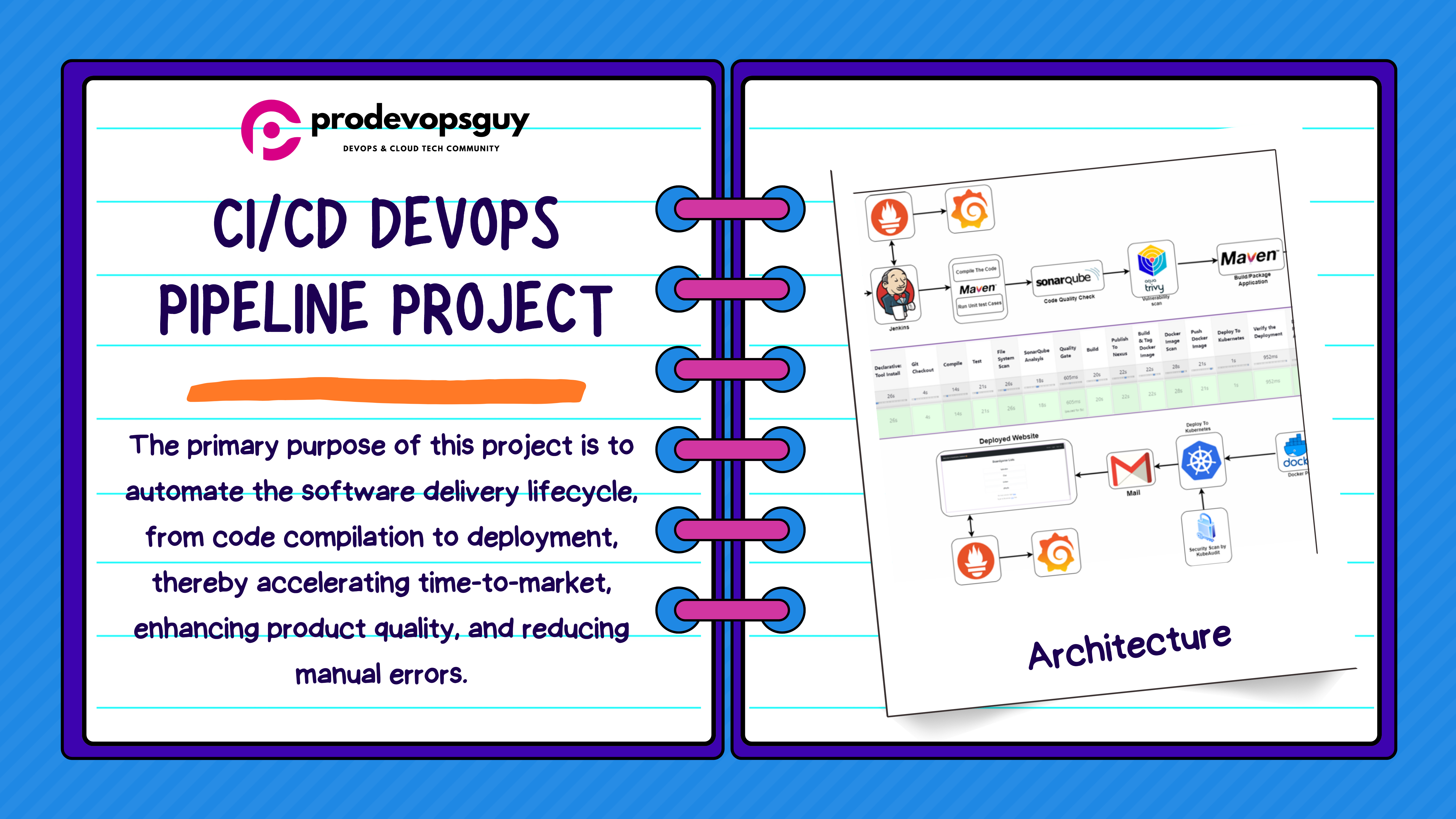
DevOps Real-time Day to Day activities by DevOps Engineer

𝑪𝒍𝒐𝒖𝒅 𝒂𝒏𝒅 𝑫𝒆𝒗𝑶𝒑𝒔 𝑻𝒆𝒄𝒉 𝑪𝒐𝒎𝒎𝒖𝒏𝒊𝒕𝒚 || 𝑷𝒓𝒐𝑫𝒆𝒗𝑶𝒑𝒔𝑮𝒖𝒚 🤖 https://t.me/prodevopsguy 👋 Hi there! We are ProDevOpsGuy, a passionate DevOps enthusiast Tech Community with a strong belief in the power of automation and collaboration to drive innovation. 🚀 I thrive in bridging the gap between development and operations, creating seamless and efficient software delivery pipelines. My journey in the world of DevOps has allowed me to blend my technical skills with a knack for problem-solving, enabling me to contribute effectively to agile and dynamic environments. 💡 With a keen interest in continuous integration, continuous delivery (CI/CD), containerization, and orchestration, I've had the privilege to explore cutting-edge technologies like Docker, Kubernetes, Jenkins, and Ansible. I find joy in designing scalable and resilient infrastructures that enable teams to deploy applications faster and with greater confidence. 🌐 Beyond the tech realm, I'm an advocate for DevOps culture, emphasizing collaboration, communication, and a relentless pursuit of improvement. I'm always eager to connect with fellow professionals, exchange insights, and explore opportunities to collaborate on exciting projects. 📚 When I'm not tinkering with the latest DevOps tools, you can find me indulging in books on technology trends, hiking to rejuvenate, and occasionally experimenting with new coding challenges. 🌟 Let's connect! Whether you're looking to discuss DevOps methodologies, explore partnership opportunities, or simply share experiences, feel free to reach out. I'm excited to be part of the DevOps journey, driving excellence together.
🎙 DevOps Day-to-Day Activities 👾
The daily activities of a DevOps engineer can vary depending on the specific organization, project, and team structure. However, here are some common tasks and responsibilities that DevOps engineers typically engage in on a day-to-day basis:
➕ 1. Collaboration and Communication 🤝
Collaborate with cross-functional teams and attend project status meetings to discuss issues and planning.
➕ 2. Infrastructure as Code (IaC) 💻
Write, review, and maintain infrastructure code using Terraform, Ansible, or CloudFormation. Automate infrastructure provisioning and configuration.
➕ 3. Continuous Integration/Continuous Deployment (CI/CD) 🔄
Enhance CI/CD pipelines for automated build, test, and deployment. Troubleshoot pipeline issues.
➕ 4. Version Control 📂
Work with version control systems (e.g., Git) to manage and version codebase and infrastructure configurations.
➕ 5. Monitoring and Logging 📈
Set up and maintain monitoring tools to ensure the health and performance of systems. Analyze logs and metrics to identify and address issues proactively.
➕ 6. Containerization and Orchestration 📦
Work with containerization technologies like Docker. Manage container orchestration tools like Kubernetes for deploying and scaling applications.
➕ 7. Automation Scripting 🤖
Write scripts (e.g., Bash, Python, PowerShell) to automate repetitive tasks and streamline processes.
➕ 8. Security 🔒
Implement security best practices for infrastructure and applications. Work on identifying and mitigating security vulnerabilities.
➕ 9. Collaborative Tools 🛠️
Use collaborative tools for communication, documentation, and project management (e.g., Slack, Jira, Confluence).
➕ 10. Incident Response 🚨
Respond to and resolve incidents, and work on post-incident analysis and improvement.
➕ 11. Infrastructure Monitoring 📊
Monitor server and application performance. Set up alerts and notifications for critical events.
➕ 12. Capacity Planning 📏
Assess and plan for the scalability of systems and infrastructure.
➕ 13. Knowledge Sharing 🧠
Share knowledge with team members and contribute to documentation. Stay updated on industry trends and emerging technologies.
➕ 14. Continuous Learning 📚
Stay informed about new tools, technologies, and best practices in the DevOps space. Attend relevant conferences, webinars, or training sessions.
➕ 15. Deployment and Release Management 🚀
Plan and execute software releases, ensuring smooth deployment and rollback processes.
By focusing on these key activities, DevOps engineers ensure the efficient and secure operation of the development and deployment processes within their organizations.
Thank you for reading my blog …:)
© Copyrights: ProDevOpsGuy